What Are Layer 2 Solutions and Why Theyre Important
What Are Layer 2 Solutions and Why They’re Important is a critical topic in understanding how blockchain technology evolves to meet growing demands. Layer 2 solutions are designed to enhance the efficiency and scalability of blockchain networks, addressing the limitations inherent in Layer 1 protocols. By implementing these solutions, networks can ensure faster transactions and reduced costs, paving the way for broader adoption across various industries.
As the blockchain landscape continues to expand, the significance of Layer 2 solutions becomes increasingly evident. These innovations not only tackle scalability issues but also improve user experience by providing quicker transaction times and lower fees, making blockchain technology more accessible and practical for real-world applications.
Understanding Layer 2 Solutions
Source: website-files.com
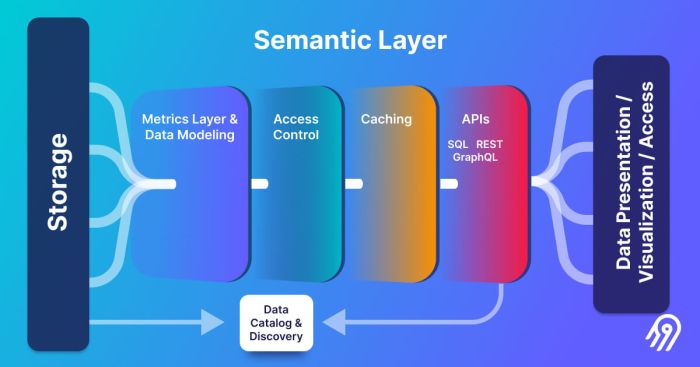
Layer 2 solutions represent a critical advancement in blockchain technology, aiming to alleviate the limitations of blockchain networks while preserving their core principles. These solutions operate atop the main blockchain layer (Layer 1) and are designed to enhance scalability and efficiency, making blockchain more usable for everyday applications. By allowing transactions to occur off the main chain, Layer 2 solutions can significantly reduce congestion, lower fees, and increase transaction speeds.The main purpose of Layer 2 solutions is to improve the efficiency of blockchain transactions without compromising their security.
These solutions help in processing a larger volume of transactions by enabling faster and cheaper transactions through off-chain mechanisms. This means that while the main blockchain (Layer 1) handles security and decentralization, Layer 2 solutions can focus on increasing throughput and reducing costs.
Differences Between Layer 1 and Layer 2 Solutions
Understanding the differences between Layer 1 and Layer 2 solutions is essential for grasping how blockchain technology can evolve. Layer 1 solutions refer to the base layer blockchain protocols, which encompass the core functionalities of the network, including transaction validation and security mechanisms. In contrast, Layer 2 solutions build upon these protocols to facilitate faster and more cost-effective transactions.Key distinctions include:
- Functionality: Layer 1 solutions handle all transactions directly on the blockchain, while Layer 2 solutions enable transactions to occur off-chain and later settle on the main chain.
- Scalability: Layer 2 solutions can process thousands of transactions per second, significantly more than typical Layer 1 capabilities, which may struggle under heavy load.
- Transaction Costs: Costs associated with Layer 1 transactions can be high, especially during peak times; Layer 2 solutions typically offer reduced fees.
- Security: Layer 1 solutions rely on the inherent security of the blockchain, while Layer 2 solutions must ensure that off-chain activities remain secure before finalizing on Layer 1.
- Examples: Layer 1 includes blockchains like Bitcoin and Ethereum, whereas Layer 2 solutions encompass protocols such as the Lightning Network (for Bitcoin) and rollups (for Ethereum).
In summary, while both layers serve essential roles within blockchain technology, Layer 2 solutions provide a vital enhancement, allowing blockchain networks to become more efficient and user-friendly, ultimately supporting broader adoption and utility in various applications.
Importance of Layer 2 Solutions
Source: scaler.com
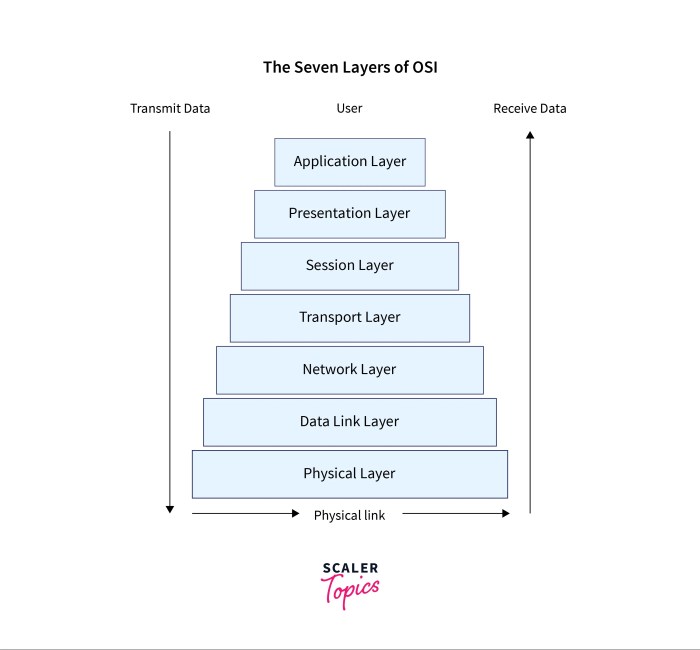
Layer 2 solutions are crucial advancements in the blockchain ecosystem, addressing the inherent scalability issues faced by traditional Layer 1 blockchains. As the demand for decentralized applications (dApps) and digital transactions continues to soar, Layer 1 networks often struggle to handle the increased load, leading to slow transaction speeds and high fees. Layer 2 solutions step in to alleviate these pressures, enhancing the overall performance and usability of blockchain networks.Layer 1 blockchains, such as Bitcoin and Ethereum, often encounter significant scalability challenges due to their need to process every transaction on-chain.
This results in bottlenecks, especially during peak usage times, causing delays and soaring transaction costs. Layer 2 solutions, such as state channels and rollups, operate off the main blockchain, enabling faster processing of transactions while still benefiting from the security and decentralization of the underlying Layer 1 network.
Advantages of Layer 2 Solutions
The advantages of adopting Layer 2 solutions extend beyond simple transaction processing. They revolutionize the user experience in several key aspects:
- Increased Transaction Speed: Layer 2 solutions significantly reduce the time it takes to confirm transactions. For example, using Lightning Network for Bitcoin allows users to complete transactions almost instantaneously, which is a massive improvement compared to the standard block confirmation times.
- Cost Reduction: By handling transactions off-chain, Layer 2 solutions decrease the fees associated with processing on-chain transactions. Users can send micropayments or conduct numerous transactions for a fraction of the cost, making blockchain technology more accessible to the masses.
- Enhanced User Experience: With faster and cheaper transactions, developers can create applications that require real-time interactions, such as gaming or live auctions, improving overall user engagement and satisfaction.
Industries benefiting from Layer 2 solutions span various sectors. The gaming industry, for instance, uses Layer 2 to enable swift in-game transactions, allowing players to buy, sell, and trade assets without the lag associated with on-chain transactions. Financial services companies are also integrating Layer 2 solutions for high-frequency trading, where speed and cost are paramount. Additionally, the NFT marketplace leverages these technologies to handle numerous transactions efficiently, providing users with a seamless experience when buying or trading digital assets.
“Layer 2 solutions not only enhance transaction speed and reduce costs but also open up new possibilities for applications across various industries.”
Types of Layer 2 Solutions
Source: mdpi-res.com
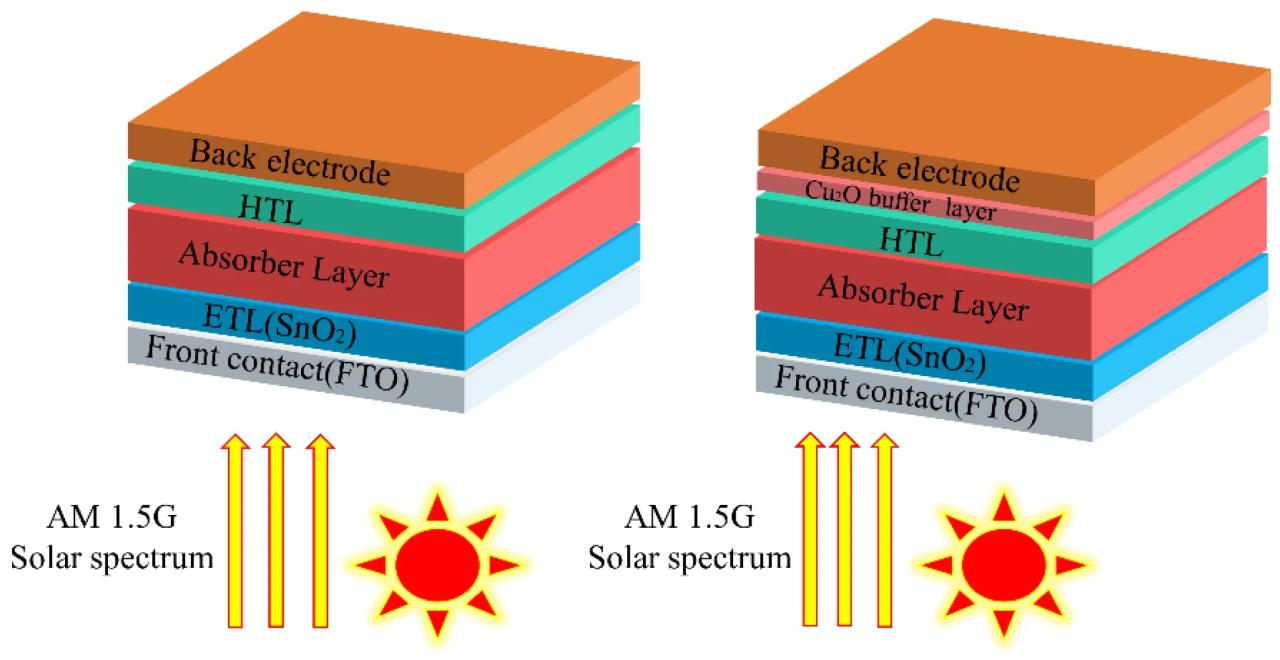
Layer 2 solutions are designed to enhance the scalability and efficiency of blockchain networks by operating on top of the primary blockchain layer. They enable faster transactions, reduced fees, and improved overall user experience without compromising security. In this section, we will explore various types of Layer 2 solutions, evaluating their effectiveness in different use cases and providing detailed insights into specific implementations like Optimistic and ZK Rollups.
Different Types of Layer 2 Solutions
There are several types of Layer 2 solutions that cater to different needs within the blockchain ecosystem. Understanding these can help in selecting the right solution for specific applications.
- State Channels: These allow parties to transact off-chain, only submitting final states to the blockchain. This significantly reduces congestion and costs, being ideal for micropayments and gaming environments.
- Sidechains: Independent blockchains that run parallel to the main chain, sidechains enable assets to be moved between chains. They are useful for testing new features without affecting the main network.
- Rollups: These solutions bundle numerous transactions into a single one, thereby decreasing the load on the main chain. Rollups can be further categorized into Optimistic Rollups and ZK Rollups.
Comparison of Layer 2 Solutions
Each Layer 2 solution has unique strengths and weaknesses that make them suitable for particular use cases. This comparison highlights how different solutions perform under various circumstances.
- State Channels: Best for applications requiring instant transactions, such as gaming or live auctions, where low latency is crucial.
- Sidechains: Offer flexibility in development and testing but may introduce security risks since they operate independently from the main blockchain.
- Optimistic Rollups: These assume transactions are valid by default and only run a fraud-proof check if challenged, making them efficient but potentially vulnerable to fraud if checks are not enforced promptly.
- ZK Rollups: Utilize zero-knowledge proofs to ensure transaction validity without revealing details, offering superior privacy and security but requiring more complex cryptographic computations.
Functionality of Optimistic and ZK Rollups
Optimistic and ZK Rollups represent innovative approaches to transaction processing in Layer 2 solutions.
Optimistic Rollups assume all transactions are valid, leading to faster processing. If fraud is suspected, a challenge period allows the community to verify transactions.
Optimistic Rollups process transactions off-chain while maintaining a record of the final state on the main chain. This model significantly reduces gas fees and increases throughput. However, the challenge mechanism introduces a waiting period, which may not be suitable for applications requiring immediate finality.In contrast, ZK Rollups leverage zero-knowledge proofs to validate transactions without revealing any information about them. This provides enhanced privacy and security, making it suitable for applications involving sensitive data, such as finance and identity verification.
The computational complexity of generating zero-knowledge proofs can, however, lead to higher costs and longer processing times compared to Optimistic Rollups.Both approaches illustrate the diversity of Layer 2 solutions available, each tailored to meet specific requirements within the blockchain landscape.
Technical Mechanisms Behind Layer 2 Solutions
Layer 2 solutions are built on a sophisticated technical architecture that enhances the capabilities of their underlying Layer 1 blockchains. These mechanisms play a crucial role in addressing scalability, reducing transaction costs, and enhancing throughput while maintaining security and decentralization. By understanding the technical foundations of Layer 2 solutions, we can appreciate how they integrate with and support the functionalities of Layer 1 networks.Layer 2 solutions utilize various strategies to achieve interoperability with Layer 1 blockchains.
They enable seamless communication between different layers while retaining the integrity of the main blockchain. This is primarily accomplished through protocols that allow Layer 2 networks to relay information and transactions back to the Layer 1 chain. These interactions are essential for ensuring that the benefits of Layer 2 solutions, such as faster transaction speeds and lower fees, are realized without compromising the security of the network.
Architecture of Layer 2 Solutions
The architecture of Layer 2 solutions consists of several components designed to handle off-chain transactions while still anchoring to Layer 1 blockchains for security. Typically, these architectures can be classified into two main categories: state channels and rollups. State channels allow users to conduct multiple transactions off-chain, with only the final state being recorded on the Layer 1 blockchain. This significantly reduces the workload on the main chain and allows for instant transactions.
Rollups, on the other hand, bundle multiple transactions into a single one before submitting to Layer 1, which optimizes throughput and minimizes fees.
Interoperability with Layer 1 Blockchains
Interoperability between Layer 2 solutions and Layer 1 blockchains is achieved through various mechanisms, primarily by using cryptographic proofs and smart contracts. These methods ensure that the transactions processed off-chain are still verifiable and accountable on the main chain. For instance, zero-knowledge proofs in zk-rollups validate transaction batches without revealing the underlying data, maintaining privacy while confirming legitimacy. Additionally, the use of smart contracts enables automated interactions between Layer 1 and Layer 2, facilitating a seamless experience for users.
Protocols Used in Popular Layer 2 Solutions
Several protocols underlie the functioning of popular Layer 2 solutions, each designed to serve specific purposes within the ecosystem. Here is a breakdown of some widely recognized protocols and their functionalities:
- Lightning Network: A state channel protocol primarily used for Bitcoin, facilitating instant, low-cost transactions off-chain.
- Optimistic Rollups: These allow for faster transaction processing by assuming transactions are valid and only performing checks if fraud is suspected.
- zk-Rollups: Utilize zero-knowledge proofs to bundle transactions, ensuring scalability and privacy in Ethereum transactions.
- Matic (Polygon): A multi-chain Layer 2 scaling solution that uses plasma chains and sidechains to enhance Ethereum’s capabilities.
Each of these protocols emphasizes different aspects of transaction processing, from speed and scalability to privacy and security, showcasing the versatility of Layer 2 solutions in the blockchain ecosystem.
Challenges and Limitations of Layer 2 Solutions
Layer 2 solutions have emerged as a promising answer to the scalability issues faced by blockchain networks, particularly Ethereum. However, they come with their own set of challenges and limitations that developers and users must navigate. Understanding these hurdles is critical to making informed decisions about the adoption and development of Layer 2 technologies.
Security Concerns of Layer 2 Solutions
While Layer 2 solutions enhance scalability, they may inadvertently introduce security vulnerabilities. The reliance on off-chain mechanisms can lead to potential risks, including:
-
Centralization Risks:
Many Layer 2 solutions rely on a limited number of validators or operators, which can compromise decentralization. This centralization makes the network more vulnerable to attacks and manipulation.
-
Smart Contract Vulnerabilities:
Layer 2 solutions typically depend on smart contracts to govern transactions. Any bugs or flaws within these contracts can be exploited, leading to loss of funds.
-
Data Availability Issues:
In some Layer 2 systems, if the data is not readily available or is lost, it may result in the inability to verify transactions, causing disruptions to the network.
Decentralization Trade-offs
Decentralization is one of the core principles of blockchain technology, yet many Layer 2 solutions require trade-offs that could undermine this principle. These trade-offs include:
-
Validator Selection:
Some Layer 2 solutions may employ a small group of validators to ensure speed and efficiency, but this can lead to centralization and reduced trust in the network.
-
Governance Mechanisms:
The governance of Layer 2 systems can often be concentrated in the hands of a few key stakeholders, which may lead to decisions that do not align with the broader community’s interests.
Drawbacks for Developers and Users
Adopting Layer 2 solutions can present challenges for both developers and users. These drawbacks include:
-
Increased Complexity:
Developers must integrate Layer 2 solutions into their applications, which can complicate the development process and require a steeper learning curve.
-
User Experience Issues:
Users may face challenges in understanding how to interact with Layer 2 solutions, particularly when switching between Layer 1 and Layer 2 networks.
-
Transaction Fees:
Even though Layer 2 solutions typically lower transaction fees, users might still encounter costs associated with moving assets between layers, which can deter usage.
Current Limitations of Layer 2 Technology, What Are Layer 2 Solutions and Why They’re Important
Despite their advantages, Layer 2 solutions still face significant limitations that can hinder broader adoption. Key limitations include:
-
Interoperability Challenges:
Different Layer 2 solutions may not communicate seamlessly with one another or with Layer 1 networks, creating fragmentation within the ecosystem.
-
Capacity Constraints:
Some Layer 2 solutions may struggle with high transaction volumes, leading to congestion and longer wait times for users.
-
Regulatory Uncertainties:
As Layer 2 solutions evolve, they may face scrutiny from regulators, which could impact their operation and adoption.
Future developments aim to address these limitations, with ongoing research focusing on improving security protocols, enhancing interoperability, and creating more robust governance frameworks. As the technology matures, these advancements could foster a more secure and user-friendly Layer 2 environment.
Future of Layer 2 Solutions: What Are Layer 2 Solutions And Why They’re Important
The future of Layer 2 solutions holds significant promise as they are poised to enhance the scalability and efficiency of blockchain networks. As the demand for quicker and cheaper transactions grows, Layer 2 solutions are expected to play a critical role in the continued evolution of the blockchain ecosystem. Innovations in this space are likely to address existing challenges while opening new avenues for decentralized applications and smart contracts.Layer 2 solutions are not only enhancing transaction throughput but also fostering a more inclusive blockchain ecosystem.
With continued investment and research, we can expect substantial growth and transformation in this technology. Various trends are emerging that indicate the trajectory of Layer 2 solutions, including interoperability, enhanced security protocols, and user-friendly interfaces.
Projected Innovations and Trends
Several trends and innovations are shaping the future of Layer 2 solutions, potentially leading to groundbreaking advancements. Key trends include:
- Interoperability Enhancement: As different blockchains seek to connect, Layer 2 solutions will likely focus on enabling seamless interactions between various networks. This will foster an interconnected ecosystem, enhancing user experience and increasing adoption.
- Zero-Knowledge Proofs (ZKPs): The adoption of ZKPs will allow for private transactions on Layer 2, improving security and user privacy. As these techniques mature, they could redefine how data is handled on blockchains.
- Increased Adoption of Rollups: Rollups, particularly Optimistic and ZK Rollups, will likely see broader use due to their efficiency in processing transactions while maintaining security. They are expected to become the backbone of many decentralized applications.
- Integration with Decentralized Finance (DeFi): Layer 2 solutions will increasingly integrate with DeFi protocols, enabling faster transactions and lower fees, thus enhancing the overall DeFi experience.
- User-Friendly Interfaces: As technology evolves, ease of use will be a significant focus. Simplifying interactions with Layer 2 solutions will help drive broader adoption among non-technical users.
Timeline of Advancements
The timeline for advancements in Layer 2 solutions is expected to unfold over the next few years, influencing the broader blockchain community. Here’s how we envision the next few years:
| Year | Projected Advancements | Impact on Blockchain Community |
|---|---|---|
| 2023 | Widespread adoption of existing Layer 2 solutions like Polygon and Arbitrum. | Increased transaction speeds and reduced costs for users, leading to greater crypto adoption. |
| 2024 | Introduction of enhanced privacy features and interoperability protocols. | More secure and efficient cross-chain transactions, fostering a collaborative ecosystem. |
| 2025 | Development and deployment of advanced ZKP-based solutions. | Significant improvements in user privacy, attracting more users to decentralized applications. |
| 2026 | Mass adoption of Rollups as the standard for processing transactions on major blockchains. | A fundamental shift in how transactions are processed, leading to more scalable and efficient networks. |
| 2027 | Integration of Layer 2 solutions with emerging technologies like IoT and AI. | New use cases and applications that leverage the benefits of blockchain in everyday technologies. |
Last Word
In summary, Layer 2 solutions play a vital role in the blockchain ecosystem by enhancing scalability, improving transaction speeds, and reducing costs. They offer practical solutions to some of the most pressing challenges faced by Layer 1 blockchains and are essential for the future growth of distributed ledger technology. As innovations continue to emerge, the impact of Layer 2 solutions will undoubtedly shape the trajectory of blockchain’s evolution.
General Inquiries
What exactly are Layer 2 solutions?
Layer 2 solutions are secondary frameworks built on top of a blockchain (Layer 1) that enhance its scalability and efficiency.
How do Layer 2 solutions improve transaction speeds?
They process transactions off-chain or utilize alternative mechanisms, significantly reducing congestion on the main blockchain.
Are Layer 2 solutions secure?
While they enhance performance, security can vary and depends on the specific implementation and protocols used.
Can Layer 2 solutions interact with Layer 1 blockchains?
Yes, they are designed to be interoperable, allowing for seamless transactions between Layer 1 and Layer 2.
What are the common types of Layer 2 solutions?
Common types include state channels, sidechains, and rollups, each serving different use cases.