How to Secure Your Crypto from Hackers Effectively
How to Secure Your Crypto from Hackers is a crucial topic in today’s digital landscape, where the value of cryptocurrencies continues to rise alongside the threats targeting them. As more individuals invest in digital assets, understanding the nuances of crypto security becomes essential to protect one’s investments from malicious actors.
In an era where breaches and hacks are increasingly common, grasping the foundational aspects of cryptocurrency security, from safeguarding private keys to recognizing phishing attempts, is vital. This guide provides comprehensive insights into best practices and advanced measures to ensure your crypto assets remain safe.
Understanding Crypto Security Basics
Securing cryptocurrency assets is crucial in today’s digital landscape. As more individuals and institutions invest in cryptocurrencies, the need for robust security measures has never been more important. Cryptocurrency is inherently decentralized and free from intermediaries, but this openness also attracts malicious actors who exploit vulnerabilities. Understanding the foundational aspects of crypto security is essential for safeguarding your investments.The significance of securing cryptocurrency assets lies in protecting them from theft, loss, and unauthorized access.
Cryptocurrencies are stored in digital wallets, which can be compromised through various means. Common threats faced by crypto users today include phishing attacks, malware, and social engineering tactics. These threats highlight the necessity of adopting stringent security practices to mitigate risks.
Importance of Private Keys and Seed Phrases
Private keys and seed phrases are integral to the security of your cryptocurrency. Your private key is a secret number that allows you to access and control your crypto assets. Losing this key means losing access to your funds permanently. Similarly, a seed phrase is a human-readable set of words that can generate your private keys. It acts as a backup to restore your wallet in case of device failure or loss.To emphasize their importance, consider the following key points regarding private keys and seed phrases:
-
Private keys must remain confidential at all times; sharing them compromises your assets.
-
A seed phrase should be stored securely, preferably offline, to avoid exposure to online threats.
-
Always use a reputable wallet provider that prioritizes security and has a proven track record.
Understanding the mechanics of these crucial elements is vital for effective security management. By implementing best practices surrounding private keys and seed phrases, you can significantly reduce the risk of theft and unauthorized access to your cryptocurrency assets.
Best Practices for Wallet Security

Source: pixabay.com
As cryptocurrency gains popularity, securing your digital assets becomes increasingly important. Wallet security is a critical element in safeguarding your investments from potential threats. By understanding the different types of wallets and implementing best practices, you can significantly reduce your risk of falling prey to hackers.
Types of Wallets and Their Security Features
There are several types of wallets used for storing cryptocurrencies, each with distinct security features. The three primary categories include hot wallets, cold wallets, and hardware wallets.
- Hot Wallets: These wallets are connected to the internet, making them convenient for frequent transactions. However, their online nature also exposes them to hacking risks. Examples include web wallets and mobile wallets.
- Cold Wallets: Cold wallets are offline storage solutions that provide enhanced security against cyber threats. They are ideal for long-term storage of cryptocurrencies. A common type of cold wallet is a paper wallet, where private keys are printed on paper.
- Hardware Wallets: These are specialized devices designed to securely store private keys offline. They combine the accessibility of hot wallets with the security of cold wallets. Popular hardware wallets include Ledger Nano and Trezor.
Creating a Strong Password for Crypto Wallets
A strong password is essential for protecting your cryptocurrency wallet from unauthorized access. Here are some key strategies for crafting a robust password:
- Use a combination of upper and lower case letters, numbers, and special symbols.
- Ensure your password is at least 12 to 16 characters long.
- Avoid using easily guessable information like birthdays or common words.
- Consider using a passphrase—a series of random words that are easy to remember but difficult to guess.
- Utilize a password manager to generate and store complex passwords securely.
“A strong password is your first line of defense against cyber threats.”
Enabling Two-Factor Authentication (2FA)
Two-factor authentication adds an additional layer of security to your crypto wallet by requiring a second form of verification during login. Here’s a step-by-step guide to enable 2FA:
- Choose a 2FA method: You can use an authentication app like Google Authenticator, Authy, or receive SMS codes.
- Log in to your cryptocurrency wallet account.
- Navigate to the security settings section of your wallet.
- Look for the option to enable 2FA and select your preferred method.
- Follow the prompts to link your authentication app or enter your phone number for SMS.
- Once set up, test the 2FA by logging out and attempting to log back in to ensure everything is functioning correctly.
“Implementing 2FA significantly enhances your wallet security by requiring two forms of verification.”
Recognizing and Avoiding Phishing Attacks: How To Secure Your Crypto From Hackers
Phishing attacks are a major threat to cryptocurrency users, often designed to trick individuals into revealing sensitive information such as private keys or login credentials. Understanding these tactics is crucial for anyone engaging in the crypto space to safeguard their investments and personal data effectively.Crypto users typically encounter various phishing techniques that can compromise their security. Common methods include deceptive emails that mimic legitimate exchanges or wallets, fake websites designed to resemble real platforms, and social engineering tactics that persuade individuals to provide private information.
For instance, attackers may send emails claiming there has been suspicious activity on your account, urging you to click a link that redirects to a fraudulent site.
Identifying Suspicious Emails and Websites
Recognizing the signs of phishing attempts is essential for maintaining security. Here are some key indicators to look out for when assessing emails and websites:
Sender’s Email Address
Always verify if the sender’s email address matches the official domain of the service. Phishing emails often use slight variations or misspellings of legitimate addresses.
Urgency and Threats
Emails that create a sense of urgency or threaten account suspension are likely scams. Legitimate companies usually provide clear information without pressuring users.
Unusual Links
Hover over any links in the email to see the actual URL. If it redirects to a different site or looks suspicious, avoid clicking on it.
Generic Greetings
Phishing emails often use generic greetings like “Dear Customer” instead of personalizing the message with your name.
Poor Grammar and Spelling
Many phishing attempts contain grammatical errors or awkward phrasing. Legitimate companies maintain professional communication standards.To enhance security, consider this checklist for verifying legitimate crypto communications:
- Check the sender’s email for authenticity.
- Look for any signs of urgency or threats in the message.
- Hover over links to verify their destination before clicking.
- Ensure the email addresses you interact with are from reputable sources.
- Review grammar and spelling for professionalism.
“Never reveal private keys or personal information in response to unsolicited communications.”
Keeping these points in mind can significantly reduce the risk of falling victim to phishing attacks. Staying vigilant and informed is key to maintaining security in the cryptocurrency landscape.
Safe Trading Practices
In the fast-evolving world of cryptocurrency, ensuring safe trading practices is crucial for protecting your investments from potential threats. Utilizing reputable exchanges and platforms not only enhances your security but also promotes a more reliable trading experience. This section delves into the methods for ensuring secure transactions and transfers, highlighting the importance of making informed decisions while trading.
Importance of Using Reputable Exchanges
Choosing a trustworthy exchange is fundamental to safeguarding your assets during transactions. Reputable exchanges have established security protocols to protect user data and funds, reducing the risk of hacks and fraud. Additionally, these platforms typically comply with regulatory standards, providing an extra layer of security. Always look for exchanges that offer two-factor authentication (2FA), cold storage for assets, and a history of reliable operations.
Methods for Ensuring Safe Transactions
When engaging in crypto trading, it’s essential to implement strategies that promote safe transactions. This includes verifying transaction details before confirming, using secure internet connections, and avoiding public Wi-Fi for trading activities. Regularly monitoring your accounts and being vigilant about unusual activity can also help protect against potential threats. Furthermore, educating yourself about the latest security trends and practices allows you to stay ahead of potential risks.
Top-Rated Exchanges and Their Security Features
Understanding the security features offered by various exchanges can significantly aid in your decision-making process. Below is a table listing some of the top-rated exchanges, along with their security features:
| Exchange | Security Features |
|---|---|
| Coinbase | Two-Factor Authentication, Insurance on Digital Assets, Cold Storage |
| Binance | Two-Factor Authentication, Secure Asset Fund for Users (SAFU), Anti-Phishing Code |
| Kraken | Two-Factor Authentication, Global Settings Lock, Withdrawal Whitelists |
| Gemini | Two-Factor Authentication, Insurance on Digital Assets, Cold Storage |
| Bitfinex | Two-Factor Authentication, Multi-Signature Wallets, Regular Security Audits |
Keeping Your Software Updated
Maintaining up-to-date software is a crucial aspect of ensuring the security of your cryptocurrency holdings. With the rapid evolution of technology and the constant emergence of new vulnerabilities, outdated software can become an easy target for hackers. Regular updates not only provide new features but also address security flaws that could be exploited by malicious actors. Keeping software updated requires diligence and a proactive approach.
Many wallets and devices offer automatic updates, which can be a convenient way to stay secure. However, it’s still important to periodically check for updates manually, especially for critical systems that may not have automatic updates enabled. Below are some routines you can adopt to ensure your software remains current:
Routines for Checking for Updates, How to Secure Your Crypto from Hackers
Establishing a routine for checking and applying updates can significantly enhance your crypto security. Here are some recommended practices:
- Set a reminder: Schedule regular intervals, such as weekly or monthly, to check for software updates on your devices and wallets.
- Enable automatic updates: Make sure that automatic updates are turned on for your wallets and critical applications to reduce the manual workload.
- Monitor notifications: Pay attention to notifications from your operating system and applications regarding available updates.
- Visit official websites: Regularly check the official websites of your wallet providers and software applications for any announcements regarding updates.
The implications of using outdated software can be severe. When software is not updated, it may contain known vulnerabilities that can be exploited. For example, the infamous 2017 Equifax breach occurred due to unpatched software, exposing sensitive information of millions. Similarly, failing to update your crypto wallet can result in losing access to your funds if vulnerabilities are exploited.
“Outdated software is akin to leaving your front door wide open, inviting intruders in.”
It’s essential to understand that even the most secure wallet can become a target if it’s not regularly updated. Keeping software updated is not just a best practice; it is a necessary step in safeguarding your cryptocurrency investments. It can mean the difference between securing your assets or falling victim to a cyber-attack.
Implementing Advanced Security Features
Enhancing your cryptocurrency security can significantly reduce the risk of theft or hacking. By employing advanced security features, you can create multiple layers of protection that safeguard your digital assets from potential threats. Here are some effective strategies for securing your crypto.
Benefits of Multisig Wallets
Multisig wallets, or multi-signature wallets, require multiple private keys to authorize a transaction, thereby adding an essential layer of security. The main advantage of using a multisig wallet is that it mitigates single-point failure risks; even if one key is compromised, the funds remain secure as additional signatures are needed for transactions. This setup is particularly beneficial for groups or organizations where multiple stakeholders are involved, fostering collaborative control over shared funds.
For example, a common multisig arrangement might require three out of five key holders to authorize a transaction, ensuring that no single individual can unilaterally access the wallet.
Setting Up a Hardware Wallet
A hardware wallet is a physical device designed to securely store your cryptocurrency offline, making it less vulnerable to online attacks. To set up a hardware wallet, follow these steps:
1. Choose a reputable hardware wallet
Popular options include Ledger and Trezor, known for their robust security features.
2. Purchase the wallet from an official source
This helps avoid counterfeit devices that may jeopardize your security.
3. Initialize the wallet
Follow the manufacturer’s instructions to set up your wallet, which typically includes generating a unique recovery seed phrase.
4. Transfer your cryptocurrency
Once set up, you can transfer your digital assets from exchanges or software wallets to your hardware wallet for enhanced protection.The primary advantages of hardware wallets include their offline storage capabilities, making them immune to online risks, and the control they offer over your private keys, ensuring that you are the sole custodian of your assets.
Additional Security Measures
Alongside multisig wallets and hardware wallets, there are several additional security features you can implement to further protect your cryptocurrency. These measures provide layers of security that can deter potential threats. Consider the following:
1. Using VPNs
A Virtual Private Network (VPN) encrypts your internet connection, shielding your online activities from potential snoopers and cybercriminals. This is crucial when accessing your crypto accounts over public Wi-Fi.
2. Implementing Encryption
Encrypting sensitive files on your devices ensures that, even if they are accessed unlawfully, the information remains unreadable without the correct decryption key. This applies to your private keys and seed phrases as well.
3. Utilizing Two-Factor Authentication (2FA)
By enabling 2FA on your exchanges and wallets, you add an extra verification step beyond just your password, increasing security manifold.By integrating these advanced security features into your cryptocurrency management practices, you can substantially reduce the risk of loss due to hacking or fraud.
Educating Yourself on Cybersecurity
In the fast-evolving world of cryptocurrency, staying educated about cybersecurity is not just an option; it’s a necessity. With the rise in cyber threats, understanding how to protect your assets requires continuous learning and adaptation. This section will guide you on how to expand your knowledge base regarding crypto security and the importance of being aware of new threats in the digital landscape.Being informed about emerging threats is critical to safeguarding your investments.
Cybercriminals are constantly developing new techniques to exploit vulnerabilities, making it essential for crypto enthusiasts to keep up with the latest trends in cybersecurity. Regularly updating your knowledge can help you identify potential risks and implement effective strategies to mitigate them.
Resources for Learning About Cybersecurity in the Crypto Space
Diving into the right resources can significantly enhance your understanding of cybersecurity within the cryptocurrency domain. Here are some valuable tools and platforms that can help you stay informed:
- Podcasts: Listening to experts discuss current trends and threats can provide insights and tips on best practices. Some notable podcasts include:
- Unchained – Hosted by Laura Shin, this podcast covers the intersection of crypto and security.
- Crypto 101 – Aimed at beginners, this podcast includes segments on security awareness.
- The Bad Crypto Podcast – Offers insights into the world of crypto, including security tips.
- Websites: Following reputable websites can keep you updated on the latest cybersecurity news and threats. Key resources include:
- CoinDesk – Covers the latest developments in cryptocurrency and includes articles on security issues.
- Krebs on Security – A blog by journalist Brian Krebs that focuses on the latest in cybersecurity.
- CoinTelegraph – Regularly features articles on crypto security and emerging threats.
- Books: Reading books dedicated to crypto security can provide a deeper understanding. Recommended titles are:
- “Mastering Bitcoin” by Andreas M. Antonopoulos – Explores the technical aspects of Bitcoin security.
- “Cryptoassets” by Chris Burniske and Jack Tatar – Discusses investment and security aspects of cryptocurrencies.
- “The Basics of Bitcoins and Blockchains” by Antony Lewis – Covers fundamental concepts including security measures.
Staying informed about these resources allows you to proactively safeguard your crypto assets against evolving cybersecurity threats. Remember, knowledge is your first line of defense in the digital world.
Responding to Security Breaches

Source: pixabay.com
In the fast-paced world of cryptocurrency, security breaches can happen unexpectedly, leaving you feeling vulnerable and anxious about your assets. Understanding the immediate steps to take after a suspected breach can significantly reduce the impact and help you regain control over your digital funds. Swift and informed action is crucial to mitigating potential losses and enhancing your overall security posture.
Immediate Steps After a Suspected Security Breach
When you suspect a security breach, it’s essential to act quickly to minimize damage. The steps you take can make a significant difference in the outcome. Here are key actions to consider:
- Disconnect your device from the internet to prevent further unauthorized access.
- Change passwords for your wallets, exchanges, and email accounts associated with your crypto activities.
- Enable two-factor authentication (2FA) on all accounts if it wasn’t already active.
- Monitor accounts, transactions, and wallet addresses for any unauthorized activities.
- Consult with a cybersecurity professional if you feel overwhelmed by the situation.
Reporting Fraudulent Activities Related to Crypto
Reporting any fraudulent activity is crucial not only for your safety but also to protect the broader cryptocurrency community. Here are some avenues for reporting:
- Contact your cryptocurrency exchange or wallet provider to report any suspicious transactions.
- File a report with the local law enforcement agency, providing as much detail as possible.
- Utilize online platforms such as the FBI’s Internet Crime Complaint Center (IC3) to report cyber crimes.
- Notify the relevant blockchain community or forums where the activity occurred for additional support and awareness.
Recovering Lost or Stolen Cryptocurrencies
While recovering lost or stolen cryptocurrencies can be challenging, it is not impossible. Here are steps to take if you find yourself in this unfortunate situation:
- Gather evidence of the theft, including transaction IDs, wallet addresses, and any communication with the perpetrator.
- Contact your exchange or wallet provider immediately, as they may have protocols in place for such incidents.
- Consider reaching out to a blockchain analysis firm for assistance in tracking your funds on the ledger.
- Be prepared to provide all collected evidence and work closely with law enforcement as they investigate the theft.
Final Review
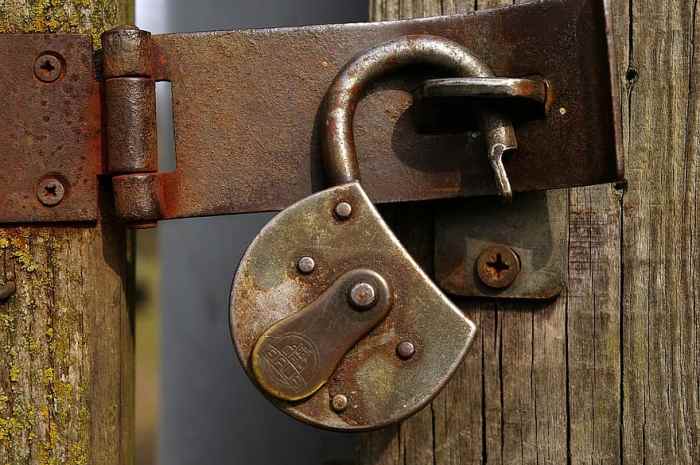
Source: pikist.com
In conclusion, securing your cryptocurrency from hackers involves a combination of educated practices and proactive measures. By understanding the risks and implementing robust security protocols, you can significantly reduce the chances of falling victim to cyber threats. Stay vigilant, keep learning, and protect your digital assets to ensure a safer trading experience.
FAQ
What are the most common types of crypto wallets?
There are several types of crypto wallets, including hot wallets (online), cold wallets (offline), and hardware wallets, each offering different levels of security.
How often should I update my wallet software?
It’s recommended to check for updates regularly, ideally every few weeks, to ensure you have the latest security features and patches.
Can I recover stolen cryptocurrencies?
Recovering stolen cryptocurrencies is challenging; however, reporting to authorities and documenting the theft can sometimes aid in recovery efforts.
What should I do if I receive a suspicious email?
Do not click any links or provide any personal information. Instead, verify the sender’s address and report the email as phishing.
Is two-factor authentication always necessary?
Yes, enabling two-factor authentication is a vital step for enhancing the security of your crypto accounts and reducing the risk of unauthorized access.