Crypto Trends to Watch in 2026 Insights and Predictions
Crypto Trends to Watch in 2026 offers a fascinating glimpse into the future of cryptocurrency as emerging technologies and evolving regulations shape the landscape. With blockchain advancements paving the way for better security and trading strategies influenced by artificial intelligence, the crypto market is poised for significant changes. Additionally, as decentralized finance gains traction and NFTs integrate with the metaverse, the investment strategies for this dynamic market will need to evolve to adapt to these rapid developments.
As we look ahead, understanding the environmental impact of cryptocurrency mining and the rise of eco-friendly options becomes crucial. Moreover, the role of institutional adoption and community engagement will further define the trends we can expect in 2026, making it essential for investors and enthusiasts alike to remain informed about these powerful influences.
Emerging Technologies in Crypto
The cryptocurrency landscape is experiencing a transformative shift fueled by advancements in technology. As we approach 2026, several emerging technologies are poised to reshape the way we interact with cryptocurrencies, enhance their security, and optimize trading strategies. This exploration delves into the promising impact of blockchain advancements, the influence of artificial intelligence, and the potential of quantum computing.
Blockchain Advancements
The evolution of blockchain technology is critical for the future of cryptocurrencies. Recent developments aim to enhance scalability, interoperability, and energy efficiency. These improvements can lead to faster transaction times and lower fees, making cryptocurrencies more accessible to the general public. For instance, layer-2 solutions like the Lightning Network are designed to facilitate quicker transactions on Bitcoin, while Ethereum’s transition to Proof of Stake is aimed at reducing energy consumption.
- Scalability is paramount, with projects focusing on sharding and other techniques to manage increased transaction volumes, which is essential for mass adoption.
- Interoperability between different blockchains is being prioritized, allowing for seamless transactions and information sharing across various platforms, which can enhance user experience.
- Energy-efficient consensus mechanisms are gaining traction, responding to environmental concerns while maintaining the integrity and security of the blockchain.
Impact of Artificial Intelligence on Trading Strategies
Artificial Intelligence (AI) is becoming an integral part of the cryptocurrency trading ecosystem. By employing machine learning algorithms, traders can analyze vast amounts of data to identify patterns and predict market movements with greater accuracy. This technology allows for the automation of trading processes, which can lead to more efficient and profitable transactions.The following points highlight the influence of AI on crypto trading strategies:
- AI-driven analytics tools can process diverse data sources, including market news, social media sentiment, and historical price movements, providing traders with actionable insights.
- Machine learning models can adapt to changing market conditions, allowing for dynamic trading strategies that respond to real-time data.
- Algorithmic trading powered by AI can execute trades faster than human traders, capitalizing on minute price fluctuations to maximize returns.
Role of Quantum Computing in Security Features
Quantum computing represents a significant leap in computational power, potentially revolutionizing the security landscape of cryptocurrencies. This technology can solve complex problems faster than traditional computers, which raises both opportunities and challenges for blockchain security.The implications of quantum computing for cryptocurrency security include:
- Enhanced cryptographic methods are being explored to protect against potential quantum attacks, ensuring that sensitive data remains secure.
- Quantum key distribution (QKD) offers a method for secure communication that could safeguard transactions against eavesdropping.
- As quantum computing technology matures, adapting existing blockchain protocols will be crucial to mitigate risks associated with quantum threats.
Regulatory Landscape Changes: Crypto Trends To Watch In 2026
As the crypto market continues to mature, the regulatory landscape is set to undergo significant transformations by 2026. Various countries are contemplating and drafting regulations that could dramatically impact how cryptocurrencies are traded, utilized, and integrated into the global financial system. These regulations are expected to address a range of issues, from consumer protection and money laundering to taxation and digital asset classification.
Understanding these upcoming changes is crucial for investors, developers, and users alike, as they could affect market dynamics, investment strategies, and overall adoption.The differences in regulatory approaches across countries could lead to a patchwork of regulations that affect global trading. Countries like the United States, the European Union, and China are at the forefront of these discussions, each taking unique positions on how to manage digital currencies.
This divergence has the potential to create both opportunities and challenges for international traders. For instance, a more permissive regulatory framework in one country may attract a surge of investment, while stricter regulations in another could stifle innovation and drive businesses to relocate.
Upcoming Regulations Impacting the Crypto Market
In the coming years, several key regulations are anticipated to shape the crypto landscape:
EU’s Markets in Crypto-Assets (MiCA) Regulation
Expected to be finalized by 2024, MiCA aims to create a comprehensive regulatory framework for digital assets across European nations. This will provide clarity on the legal status of various cryptocurrencies and ensure consumer protections, potentially leading to increased institutional investment.
U.S. SEC’s Classification of Digital Assets
The U.S. Securities and Exchange Commission is expected to provide clearer guidelines on what constitutes a security in the crypto space. This classification could significantly impact how tokens are issued and traded in the U.S., influencing the global market.
Global Anti-Money Laundering Standards
The Financial Action Task Force (FATF) is pushing for stricter compliance standards for crypto exchanges worldwide. This could lead to enhanced scrutiny of transactions, impacting trading volumes and liquidity across borders.The impact of previous regulatory changes serves as a strong indicator of how future regulations might shape the market. For example, when China announced its crackdown on cryptocurrency trading in 2021, Bitcoin’s price dropped significantly, illustrating the immediate effects of regulatory announcements on market behavior.
Conversely, the approval of Bitcoin ETFs in the U.S. led to a surge in Bitcoin’s price, showcasing how positive regulatory developments can boost market confidence and investment.By keeping an eye on these evolving regulations, stakeholders in the crypto market can better navigate the complexities of trading and investing in digital assets, ensuring they stay ahead in this fast-paced environment.
Market Trends and Predictions
As the cryptocurrency landscape evolves, several market trends and predictions for 2026 have emerged. Industry analysts anticipate a significant shift in how investors approach cryptocurrency, alongside the burgeoning growth of decentralized finance (DeFi). This section delves into anticipated investment trends, the rise of DeFi, and a comparative analysis of traditional versus cryptocurrency investments in terms of risk and returns.
Predicted Cryptocurrency Investment Trends
The investment landscape for cryptocurrencies is poised for transformation in 2026, driven by technological advancements and changing investor behaviors. Key trends include:
- Increased Institutional Adoption: Major financial institutions are expected to integrate cryptocurrencies into their portfolios, influenced by a growing acceptance of digital assets.
- Widespread Use of Stablecoins: As volatility remains a concern, stablecoins will likely gain traction for transactions and as a store of value, attracting more conservative investors.
- Popularity of Crypto Funds: Investment vehicles like crypto index funds and exchange-traded funds (ETFs) will become more prevalent, offering easier access for traditional investors.
- Focus on ESG Investments: Environmental, Social, and Governance (ESG) criteria will influence crypto projects, with an emphasis on sustainability in mining and energy consumption.
Rise of Decentralized Finance (DeFi)
Decentralized finance (DeFi) is projected to see exponential growth, reshaping the financial ecosystem. The significance of DeFi lies in its ability to offer financial services without intermediaries, enabling greater accessibility and transparency. Factors contributing to DeFi’s growth trajectory include:
- Innovative Financial Products: DeFi platforms are expected to introduce new financial instruments, such as yield farming and liquidity mining, appealing to both retail and institutional investors.
- Cross-Chain Compatibility: As blockchain interoperability improves, DeFi services will become more cohesive, allowing users to interact with multiple networks effortlessly.
- Security Enhancements: With advancements in smart contract security protocols, DeFi projects will attract more participants by mitigating risks associated with hacks and fraud.
Traditional Investments vs. Cryptocurrency Investments
When comparing traditional investments to cryptocurrency investments, the differences in risk and returns become apparent. Understanding these contrasts can help investors make informed decisions:
- Risk Factors: Traditional investments typically involve established markets with regulatory oversight, while cryptocurrencies are subject to higher volatility and regulatory uncertainty.
- Return Potential: Cryptocurrencies have shown the potential for substantial returns over a short period, as seen with Bitcoin’s surge in 2020; traditional assets often provide steadier, albeit lower, returns.
- Diversification Opportunities: Incorporating cryptocurrencies into a portfolio can offer diversification benefits, as their performance may not correlate with traditional asset classes like stocks and bonds.
NFT and Metaverse Integration

Source: quoteinspector.com
The fusion of NFTs and the metaverse is revolutionizing the way we perceive digital ownership and interaction. As we venture into 2026, the trajectory of NFTs has seen remarkable evolution, from simple digital collectibles to complex assets that can be integrated into immersive virtual environments. This transformation heralds a new era in cryptocurrency adoption, with the metaverse playing a pivotal role in reshaping user engagement and investment strategies.The potential applications of NFTs in 2026 are diverse and expansive.
They can serve as unique identifiers for virtual goods, including art, music, and even virtual pets, creating a rich ecosystem where users can trade and interact with digital assets seamlessly. NFTs are increasingly being utilized in gaming, where players can own, trade, and sell in-game items as verifiable assets, enhancing the gaming experience through true ownership. Furthermore, brands are leveraging NFTs for marketing campaigns, issuing limited edition items that can only be used or accessed within the metaverse, fostering a deeper connection between consumers and brands.
Influence of the Metaverse on Cryptocurrency Adoption
The metaverse is set to significantly influence cryptocurrency adoption, creating new avenues for decentralized finance (DeFi) and investment. As users engage within these virtual spaces, the need for seamless transactions will drive the demand for cryptocurrencies. The integration of cryptocurrencies into the metaverse allows for real-time transactions tied to digital assets, enhancing user experiences. For instance, platforms like Decentraland and The Sandbox enable users to purchase virtual land and assets through cryptocurrency, demonstrating a practical application that encourages everyday use of digital currencies.
These transactions not only promote crypto literacy but also cultivate a new generation of users invested in the cryptocurrency ecosystem.
Concept of Virtual Real Estate and Investment Implications, Crypto Trends to Watch in 2026
Virtual real estate represents a booming market within the metaverse, profoundly impacting crypto investment strategies. As users seek to establish their presence in virtual worlds, owning virtual land has become analogous to physical real estate investment. Investing in virtual real estate has several implications:
Asset Appreciation
Just as physical properties can appreciate over time, virtual land can increase in value as demand rises, driven by user interest and platform growth.
Diverse Revenue Streams
Owners of virtual land can generate income through leasing space for events, creating virtual storefronts, or hosting experiences, mirroring traditional real estate practices.
Accessibility and Global Reach
Virtual real estate allows investors from around the world to participate in the market without the geographical limitations associated with physical properties.
The rise of virtual real estate showcases how digital ownership is reshaping investment landscapes, opening new doors for innovative financial opportunities.
Environmental Considerations
As the cryptocurrency industry continues to evolve, the environmental impact of its operations has become a focal point of concern. Cryptocurrency mining, particularly for Bitcoin, is notorious for its substantial energy consumption and carbon footprint. This has led to a growing demand for sustainable practices within the industry. Investors, consumers, and regulators alike are increasingly recognizing the need for eco-friendly solutions that can mitigate the adverse effects of cryptocurrency operations on the planet.The environmental footprint of cryptocurrency mining primarily stems from the energy-intensive processes involved in validating transactions and securing networks.
Traditional proof-of-work mechanisms require vast amounts of computational power, which translates into significant energy use. However, the emergence of more sustainable alternatives is reshaping the landscape.
Impact of Cryptocurrency Mining
The impact of cryptocurrency mining on the environment can be profound, with some critical aspects that need to be highlighted:
Energy Consumption
Mining operations often rely on fossil fuels, contributing to greenhouse gas emissions. For example, a study indicated that Bitcoin mining alone consumes more energy than some entire countries.
E-waste Generation
The hardware used for mining has a limited lifespan, leading to substantial electronic waste. This poses a challenge in terms of disposal and environmental safety.
Water Usage
Some mining operations require significant water for cooling, which can strain local water resources, particularly in arid regions.To address these issues, several innovative solutions are being implemented:
Transition to Renewable Energy
Many mining facilities are shifting towards solar, wind, and hydroelectric power to reduce their carbon footprint. This transition is not only beneficial for the environment but can also result in cost savings for miners.
Development of Energy-efficient Protocols
The rise of proof-of-stake (PoS) and other consensus mechanisms presents a more energy-efficient alternative to traditional mining. Ethereum’s transition to PoS is a prominent example of reducing energy consumption drastically.
Carbon Offsetting Initiatives
Some companies are investing in carbon offset projects to compensate for their emissions, contributing to reforestation and renewable energy initiatives.
Growth of Eco-friendly Cryptocurrencies
Eco-friendly cryptocurrencies are gaining traction in the market as awareness of environmental issues rises. These digital currencies are designed with sustainability in mind and often utilize less energy-intensive technologies. Notable examples include:
Cardano (ADA)
Utilizes a proof-of-stake algorithm, which significantly reduces energy consumption compared to traditional mining methods.
Algorand (ALGO)
Features a unique consensus mechanism that minimizes energy usage while providing fast transaction capabilities.
Chia (XCH)
Introduces a novel approach to mining through “proof of space and time,” which relies on disk space rather than power-intensive computations.The growing interest in these eco-friendly options reflects a shift in consumer preferences towards more responsible investing. Investors are increasingly favoring projects that prioritize sustainability.
Future of Green Technology in Blockchain Applications
The future of green technology in blockchain applications is promising, with several trends indicating a shift towards more sustainable practices.
Integration of Renewable Resources
Blockchain technology can facilitate the tracking of renewable energy sources, ensuring transparency and promoting their use. For example, decentralized energy exchanges can allow users to buy and sell renewable energy directly.
Carbon Credits Trading
Blockchain can streamline the process of carbon credits trading, ensuring accurate tracking and decreasing fraud. This could enhance the effectiveness of global sustainability efforts.
Sustainable Supply Chains
By providing transparency in supply chains, blockchain can help companies track the environmental impact of their sourcing and manufacturing processes. This can encourage more sustainable practices across industries.The integration of green technologies within blockchain not only enhances the sustainability of the cryptocurrency ecosystem but also positions it as a leader in the global movement towards a more sustainable future.
Investment Strategies
Source: pikist.com
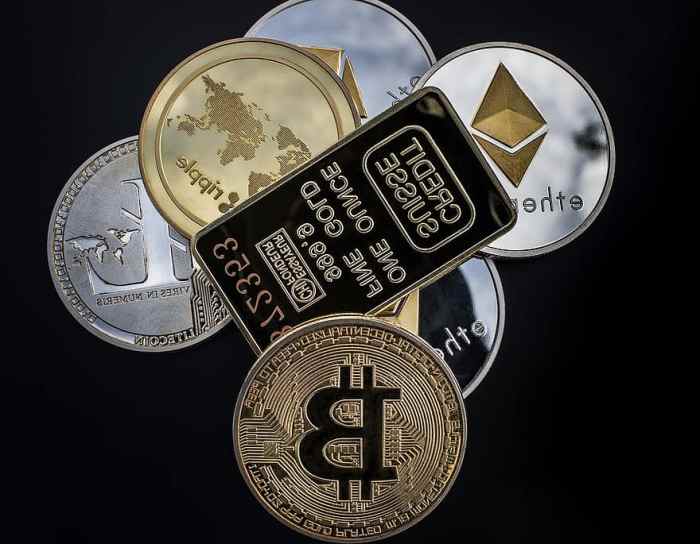
Navigating the cryptocurrency market in 2026 requires a well-thought-out investment strategy, especially given its volatility and the rapid evolution of technology and regulations. Investors need to adapt their approaches, focusing on diversification and informed decision-making to minimize risks and maximize potential gains.Portfolio diversification is essential in cryptocurrency investments. By spreading investments across various assets, investors can reduce the impact of poor performance in any single asset.
This strategy protects against market volatility and provides opportunities to capitalize on different sectors of the crypto market.
Importance of Portfolio Diversification
Maintaining a diversified portfolio helps manage risk while aiming for returns. Here are key reasons why diversification is crucial in the crypto space:
- Risk Mitigation: Different cryptocurrencies react differently to market events. A diversified portfolio can buffer against significant losses if one asset underperforms.
- Exposure to Opportunities: Different segments of the crypto market, such as DeFi, NFTs, and stablecoins, offer unique advantages. Diversification allows investors to tap into the growth potential of various assets.
- Volatility Management: Cryptocurrencies are notoriously volatile. A diversified portfolio can help smooth out the effects of price fluctuations, offering more stability over time.
Methods for Evaluating and Selecting Cryptocurrencies
Evaluating cryptocurrencies before investing involves several critical factors. Investors should consider a combination of technical, fundamental, and market analysis to make informed decisions. Here are some effective methods:
- Market Capitalization: A higher market cap often indicates a more established and stable cryptocurrency. It can signal investor confidence and lower volatility, making it a safer investment.
- Use Cases: Assessing the practicality of a cryptocurrency’s application is vital. Coins that solve real-world problems or offer innovative technology, like Ethereum with its smart contracts, typically attract more interest and investment.
- Development Team and Community: Researching the team behind a cryptocurrency and its community engagement can provide insights into its future potential. A strong, active community and a reputable development team often indicate a better chance of success.
- Regulatory Compliance: Understanding a cryptocurrency’s compliance with regulations is crucial, especially as regulations evolve. Coins that align with regulatory standards may face fewer operational risks.
- Historical Performance: Analyzing past price movements and trends can help identify patterns and predict future behavior, although this is not a guaranteed indicator of future success.
“Investing in cryptocurrencies requires a balanced approach, focusing on both potential rewards and inherent risks.”
Institutional Adoption
As we look ahead to 2026, the trend of institutional adoption in the cryptocurrency space is expected to gain significant momentum. Major financial institutions, hedge funds, and corporations are increasingly recognizing the potential of digital assets, leading to a more stable and diversified investment landscape. This shift not only legitimizes cryptocurrencies but also enhances their role in mainstream finance.The integration of cryptocurrencies into institutional investment portfolios is becoming more pronounced.
Traditional finance players are exploring various avenues to include digital assets, recognizing their potential for high returns and diversification benefits. Some notable examples of institutional adoption include:
Examples of Institutional Integration
Leading hedge funds and investment firms are now allocating portions of their portfolios to cryptocurrencies. For instance, firms like Grayscale and Fidelity have launched dedicated cryptocurrency investment products aimed at institutional clients. Furthermore, companies like MicroStrategy and Tesla are publicly holding Bitcoin as part of their treasury strategy, signaling a shift in corporate treasury management.The implications of institutional adoption on the cryptocurrency market are manifold.
As more institutions enter the space, we can expect to see:
- Increased Market Liquidity: With institutional investments pouring into cryptocurrencies, liquidity is expected to improve significantly, making it easier for traders to enter and exit positions without causing major price fluctuations.
- Reduced Market Volatility: The entrance of institutional players typically leads to more stable prices, as larger capital flows can cushion the impact of retail trading fluctuations.
- Enhanced Regulatory Clarity: As institutions engage with cryptocurrencies, there is likely to be a push for clearer regulatory frameworks, which can further legitimize the market and attract additional institutional capital.
Institutional adoption is key to the maturation of the cryptocurrency market, transforming it into a more stable and regulated environment.
The anticipated increase in institutional involvement in the cryptocurrency space by 2026 underscores a pivotal moment for digital assets. As these players continue to innovate and adapt their strategies, the broader market will likely evolve, fostering a healthier and more resilient ecosystem.
Global Economic Factors
As we step into 2026, various global economic factors are poised to significantly impact cryptocurrency markets. Economic instability, inflation, and the ongoing evolution of traditional financial systems could serve as catalysts for more widespread crypto adoption. Understanding these influences is crucial for investors and enthusiasts alike, as they shape the landscape of digital finance.In recent years, we’ve witnessed a close relationship between macroeconomic conditions and the performance of cryptocurrencies.
Inflation and currency devaluation are two pressing issues that could escalate interest in digital assets. As fiat currencies lose purchasing power, individuals and institutions may seek refuge in cryptocurrencies as a more stable alternative. This trend is expected to gain momentum in 2026, driven by several key economic factors.
Inflation and Currency Devaluation
The rise of inflation rates in many countries has created a sense of urgency among investors to diversify their portfolios. This shift is particularly relevant as traditional currencies continue to suffer from devaluation.
- Countries experiencing hyperinflation, such as Venezuela and Zimbabwe, have already turned to cryptocurrencies as a way to preserve value.
- In developed economies, central banks are grappling with inflationary pressures, which may lead citizens to explore crypto as a hedge against currency depreciation.
- With the introduction of central bank digital currencies (CBDCs), the competition between traditional fiat and cryptocurrencies is likely to intensify, influencing market dynamics.
The interplay between traditional financial markets and cryptocurrency trends is increasingly evident. As central banks adopt dovish monetary policies to combat inflation, the potential for asset bubbles and subsequent corrections in traditional markets could lead more investors to the crypto space.
Correlation Between Traditional Financial Markets and Crypto Trends
The growing correlation between traditional financial markets and cryptocurrencies indicates a shift in investor sentiment. As traditional investment vehicles become volatile, cryptocurrencies are often viewed as an alternative investment class.
- Recent data suggests that during major market downturns, cryptocurrencies tend to show increased trading volumes as investors seek to escape losses in stocks and bonds.
- The integration of cryptocurrencies into mainstream finance, through platforms and ETFs, indicates a blurring of the lines between these markets.
- Institutional investments in crypto have surged, with firms like MicroStrategy and Tesla leading the charge, reflecting a belief in cryptocurrencies as a viable asset class.
As we navigate the evolving landscape of global economics, the interconnections between inflation, currency devaluation, and the traditional markets will undoubtedly play a pivotal role in shaping the future of cryptocurrency adoption in 2026.
Community and Social Factors

Source: publicdomainpictures.net
The role of community engagement in shaping cryptocurrency trends cannot be overstated. As cryptocurrencies and blockchain technologies continue to evolve, the communities around them play a critical part in driving adoption, innovation, and resilience. In an environment where individual participation and collective action can lead to significant changes, the influence of engaged communities is increasingly becoming a defining factor in the success or failure of various cryptocurrency projects.Grassroots movements have been pivotal in influencing cryptocurrency projects, showcasing the power of community in the digital finance space.
For instance, the Dogecoin phenomenon began as a joke but evolved into a community-driven movement that gained traction through social media platforms. This coin, initially created as a meme, transformed into a serious cryptocurrency due to the passionate engagement of its community, leading to significant price surges and increased adoption. Similarly, the Ethereum community played a key role in advocating for the platform’s transition to Ethereum 2.0, emphasizing the importance of environmental sustainability and scalability in the blockchain space.
Impact of Social Media on Cryptocurrency Popularity
Social media platforms have become powerful tools that can significantly impact the popularity of cryptocurrencies. The ability to disseminate information rapidly and engage with a global audience allows communities to amplify their voices and influence trends. Here are some ways social media shapes cryptocurrency dynamics:
Information Dissemination
Platforms like Twitter and Reddit allow for real-time sharing of news, updates, and insights, creating a sense of urgency and engagement among followers. Timely information can lead to quick trading decisions that impact market prices.
Influencer Endorsements
Influencers and thought leaders in the cryptocurrency space can sway public opinion and drive interest in specific projects. Notable endorsements can lead to rapid increases in popularity and investment.
Community Building
Social media fosters the creation of communities where like-minded individuals can collaborate, share knowledge, and support one another’s endeavors. This sense of belonging can lead to stronger loyalty and commitment toward a cryptocurrency project.
Viral Trends
Memes, challenges, and viral content can propel lesser-known cryptocurrencies into the spotlight, often leading to significant price fluctuations within short time frames.In summary, the interplay of community engagement and social media is vital in shaping the cryptocurrency landscape. As more individuals participate in these digital economies, the community’s voice will continue to be a powerful driver in determining the future direction of various cryptocurrencies.
Closure
In summary, the Crypto Trends to Watch in 2026 point to an exciting era marked by innovation, regulatory shifts, and broader acceptance of cryptocurrencies. As technological advancements, environmental considerations, and institutional investments converge, the future of cryptocurrency is not only promising but also full of potential challenges and opportunities. Staying aware of these developments will empower investors to make informed decisions in this ever-evolving market.
Expert Answers
What are the key technologies influencing crypto in 2026?
Emerging technologies like blockchain advancements, artificial intelligence, and quantum computing are expected to significantly influence the crypto landscape.
How might regulations impact cryptocurrency values by 2026?
Upcoming regulations could lead to varying impacts on market behavior and values, depending on how countries approach crypto legislation.
What investment strategies should be considered in 2026?
Diversification and thorough evaluation of cryptocurrencies based on market trends and risk assessments will be key strategies.
How is the institutional adoption of cryptocurrencies expected to change?
Institutional investments are anticipated to rise, which may enhance market liquidity and reduce volatility as more players enter the space.
What social factors could influence cryptocurrency trends in 2026?
Community engagement and grassroots movements, amplified by social media, are likely to play a significant role in shaping cryptocurrency popularity.