NFT Explained How to Get Started Today with Ease
NFT Explained: How to Get Started Today, we’re diving into the fascinating world of non-fungible tokens! NFTs are revolutionizing the digital economy, creating unique opportunities for artists, collectors, and investors alike. With their intriguing history and various applications across industries, understanding NFTs is essential for anyone looking to navigate this innovative space.
From the technology that powers NFTs to the platforms where they are bought and sold, this guide aims to equip you with everything you need to embark on your NFT journey. Whether you’re curious about creating your own digital art or want to explore the NFT market, you’ll find valuable insights right here.
Introduction to NFTs
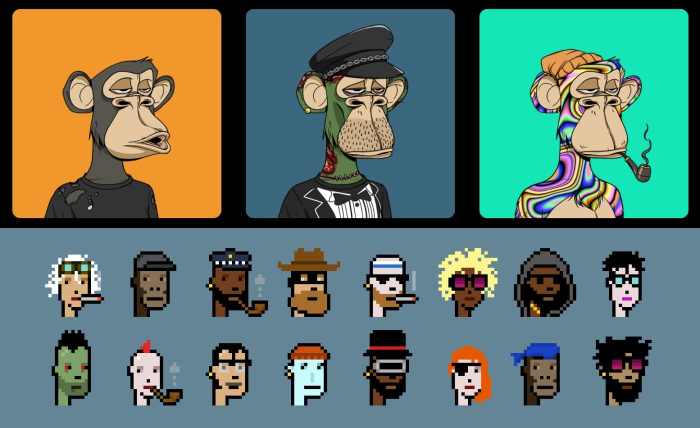
Non-fungible tokens, or NFTs, have emerged as a transformative force in the digital economy, representing ownership and provenance of unique digital assets. Unlike cryptocurrencies such as Bitcoin or Ethereum, which are fungible and can be exchanged on a one-to-one basis, NFTs are unique, indivisible, and cannot be replicated. This uniqueness extends their significance beyond mere digital art or collectibles, positioning them as vital components of various industries including gaming, music, and real estate.The history of non-fungible tokens traces back to 2017 with the launch of projects like CryptoPunks and CryptoKitties, which popularized the concept of digitally owning one-of-a-kind assets.
These projects laid the groundwork for the development of the Ethereum blockchain, which facilitated the creation and trading of NFTs through smart contracts. As the technology evolved, more sophisticated platforms emerged, enabling artists, creators, and brands to mint and sell NFTs, turning the art and content creation world on its head.
Types of NFTs and Their Uses
Understanding the diverse applications of NFTs requires an exploration of the various types that exist within this space. The versatility of NFTs allows for their integration into multiple sectors, each harnessing their unique properties to enhance user experience and engagement. The following are some notable types and uses for NFTs:
- Digital Art: NFTs have revolutionized the art market, allowing artists to tokenize their work, ensuring authenticity and ownership. This has enabled artists to sell their pieces directly to collectors, often at unprecedented prices. A notable example is Beeple’s “Everydays: The First 5000 Days,” which was sold at auction for $69 million in 2021.
- Gaming: In the gaming industry, NFTs enable players to truly own in-game assets, such as skins, weapons, and characters. This ownership can lead to new economic models, where players can buy, sell, or trade their assets, enhancing the gaming experience. Games like Axie Infinity and Decentraland have pioneered this model, creating thriving ecosystems.
- Music: Musicians can utilize NFTs to create unique, collectible music experiences, offering fans exclusive tracks, concert tickets, or behind-the-scenes content. Platforms like Audius and Catalog allow artists to mint their songs as NFTs, providing them with a direct revenue stream.
- Virtual Real Estate: NFTs are also making waves in virtual real estate markets, with platforms like Decentraland enabling users to buy and sell virtual land. This concept of ownership extends to digital spaces, where users can build, host events, or even develop commercial ventures.
The proliferation of NFTs across these various sectors not only highlights their versatility but also underscores their potential to redefine ownership and value in the digital landscape. As this technology continues to evolve, the impact of NFTs on the digital economy is expected to expand further, creating new opportunities and challenges.
How NFTs Work
![[100+] Nft Monkey Pictures | Wallpapers.com](https://nf.trucksuimport.com/wp-content/uploads/2025/11/v2-9b2dd05f5fcc5f4be1216b94119f5ff8_r.jpg "[100+] Nft Monkey Pictures | Wallpapers.com")
Source: zhimg.com
NFTs, or Non-Fungible Tokens, are an innovative way to represent ownership of digital assets using blockchain technology. They allow for unique items to be tokenized, giving creators and collectors the ability to buy, sell, and trade digital goods in a decentralized manner. Understanding how NFTs work will help you navigate this burgeoning digital landscape and potentially leverage it for investment or creative purposes.The foundation of NFTs lies in blockchain technology, primarily Ethereum, which is the most commonly used platform for creating these tokens.
Each NFT is stored on a blockchain, making it immutable and verifiable. This ensures that ownership history is transparent and cannot be altered. The uniqueness of each NFT is guaranteed by its distinct metadata, which includes information about the asset it represents, such as the creator, ownership history, and any associated art or media.
Minting an NFT and Associated Costs
Minting an NFT is the process of creating a new token on the blockchain. This involves several steps and typically incurs a cost known as “gas fees,” which are required to execute transactions on the blockchain. These fees can fluctuate significantly based on network demand. When minting an NFT, the following steps are generally involved:
1. Creating the Digital Asset
This is the first step, where artists or creators design their digital art, music, videos, or any other digital item they wish to tokenize.
2. Choosing a Blockchain
While Ethereum is the most popular, other blockchains like Binance Smart Chain, Flow, and Tezos also support NFTs, each with unique benefits and costs.
3. Using a Digital Wallet
Creators need a digital wallet that supports NFTs to store their tokens. This wallet is also used to pay for minting fees and manage their NFT collection.
4. Minting the NFT
Once the asset and wallet are in place, the creator uses a marketplace or platform (like OpenSea or Rarible) to mint the NFT. During this process, metadata is added to the token, which might describe the asset or link to the digital content.
5. Gas Fees
These fees are calculated based on the complexity of the transaction and the current congestion on the blockchain. Gas fees can range from a few dollars to several hundred dollars, depending on market conditions.
6. Listing for Sale
After minting, the NFT can be listed for sale on various marketplaces where buyers can explore and purchase.
“Minting an NFT requires careful consideration of blockchain selection and understanding of gas fees.”
Smart Contracts in NFT Transactions
Smart contracts are a crucial component of NFT transactions, as they define the terms and conditions of the sale. These self-executing contracts are coded to automatically enforce and execute agreements once predetermined conditions are met. Here’s a breakdown of how smart contracts function within the realm of NFTs:
1. Ownership Transfer
Smart contracts facilitate the transfer of ownership when an NFT is sold. They ensure that the digital asset is transferred to the new owner and that payment is redirected to the seller automatically.
2. Royalties
One innovative feature of smart contracts is that they can be programmed to automatically pay royalties to creators with each subsequent sale of their NFT. This ensures that artists continue to benefit from their work even after the initial sale.
3. Verification
They provide a means to verify the authenticity of an NFT. By checking the smart contract, buyers can confirm the ownership and provenance of the token.
4. Customization
Creators can customize smart contracts to include various features, such as scarcity limits or unlockable content. This flexibility allows for a wider range of functionalities and value propositions for NFT collectors.
5. Interoperability
Smart contracts enable NFTs to be used across different platforms and marketplaces, enhancing their utility and marketability.
“Smart contracts automate the NFT transaction process, adding layers of security and innovation in ownership transfer.”
Getting Started with NFTs
Source: wallpapers.com
To dive into the exciting world of NFTs, it’s essential to understand the steps involved in creating and trading these unique digital assets. With the right tools and platforms, anyone can begin their NFT journey.Creating an NFT involves several key steps, from conceptualizing your digital asset to choosing the right marketplace for its sale. Before beginning, familiarize yourself with the necessary tools and platforms that facilitate this process.
Steps for Creating an NFT
Starting your NFT creation process requires specific tools and platforms. Here’s a streamlined approach to guide you:
1. Choose Your Digital Asset
Determine what type of digital item you want to convert into an NFT. This could be artwork, music, videos, or even virtual real estate.
2. Select an NFT Marketplace
Pick a platform where you can create and sell your NFT. Popular options include OpenSea, Rarible, and Mintable. Each platform has its own unique features and user base.
3. Set Up a Digital Wallet
Before minting your NFT, you’ll need a digital wallet that supports cryptocurrency transactions, such as MetaMask or Coinbase Wallet.
4. Mint Your NFT
Once you have your digital asset and wallet ready, go to your chosen marketplace and follow their guidelines to create (or “mint”) your NFT. This typically involves uploading your asset, adding details, and confirming the transaction using your wallet.
5. List Your NFT for Sale
After minting, you can decide to sell your NFT at a fixed price or via auction. Follow the platform’s instructions to set your listing.
Setting Up a Digital Wallet
A digital wallet is crucial for processing NFT transactions and managing your cryptocurrencies. Here’s how to set one up:
Choose a Wallet Provider
Look for a reputable wallet provider that supports NFTs and cryptocurrencies. MetaMask is widely used for its compatibility with most NFT marketplaces.
Download and Install the Wallet
Follow the installation instructions for your chosen wallet, which may include browser extensions or mobile app downloads.
Create a New Wallet
During setup, you will be prompted to create a new wallet. Make sure to securely save your recovery phrases, as these are essential for accessing your wallet if you forget your password.
Add Funds to Your Wallet
Purchase cryptocurrency (often Ethereum) through exchanges like Coinbase or Binance and transfer it to your wallet for NFT transactions.
Popular NFT Marketplaces
Several marketplaces have emerged as frontrunners in the NFT space, each offering unique functionalities. Here are some noteworthy platforms:
OpenSea
As one of the largest NFT marketplaces, OpenSea supports a wide range of digital assets and is user-friendly.
Rarible
This platform allows users to create and sell NFTs easily while also offering a unique governance token for community participation.
Foundation
This is a curated platform focusing on high-quality digital art, making it ideal for artists looking to reach a specific audience.
SuperRare
Known for its emphasis on exclusive digital artwork, SuperRare is geared towards serious collectors and artists.
Zora
This marketplace focuses on empowering creators with more control over their work and sales, promoting a fair ecosystem for artists.The NFT landscape is continuously evolving, providing a plethora of opportunities for creators and collectors alike. Being informed about the right tools and platforms can significantly enhance the experience of entering this digital frontier.
Buying and Selling NFTs
Navigating the buying and selling process of NFTs can be both exciting and daunting for newcomers. Understanding the right strategies and marketplaces can significantly enhance your experience and success in the NFT space. This section delves into effective methods for purchasing NFTs, the selling process, and an analysis of various marketplaces.
Strategies for Purchasing NFTs
Researching and evaluating NFTs is crucial before making any purchases. The NFT market is diverse and rapidly evolving, making it essential to adopt a systematic approach. To facilitate informed decisions, consider the following strategies:
- Research the Creator: Investigate the artist or creator behind the NFT. Look into their previous works, reputation in the community, and social media presence. Established creators often have a track record of successful sales and engaged fanbases.
- Evaluate the Rarity: Assess the uniqueness of the NFT. Many platforms provide information on how many copies exist (limited versus unlimited editions) and the traits that make it rare. Rarity often drives demand and value.
- Community Engagement: Join forums and social media groups that discuss NFTs. Engaging with the community can provide insights into upcoming trends and valued projects.
- Market Trends: Stay informed about current market trends and popular collections. Platforms like OpenSea or Rarible often showcase trending NFTs, helping you identify potential investment opportunities.
Selling Process for NFTs
Selling NFTs involves several critical steps that require careful consideration. Pricing strategies and promotional tactics can significantly influence your selling success.Consider these elements in the selling process:
- Set a Competitive Price: Research similar NFTs to gauge appropriate pricing. Consider the rarity, demand, and the creator’s reputation to set a fair price.
- Choose the Right Marketplace: Different marketplaces have varying fee structures and user experiences. Selecting one that aligns with your target audience can enhance visibility.
- Promote Your NFT: Utilize social media platforms, NFT forums, and community groups to drive interest. Creating engaging content about your NFT can capture the attention of potential buyers.
- Timing: Launch your NFT during peak times when the community is most active. Awareness of community events and trends can boost your NFT’s exposure.
Comparison of Different Marketplaces
Choosing the right marketplace is pivotal for both buying and selling NFTs. Each platform comes with its unique fees, user experience, and levels of community engagement.Here’s a comparison of popular NFT marketplaces:
| Marketplace | Fees | User Experience | Community Engagement |
|---|---|---|---|
| OpenSea | 2.5% on sales | Intuitive interface, easy to navigate | Large community, active discussions |
| Rarible | 2.5% on sales | User-friendly with community governance | Strong artist engagement and creator support |
| Nifty Gateway | Variable, depending on drops | Sleek design, high-profile drops | Limited but exclusive community |
| Foundation | 5% on sales | Curated experience, artist-focused | Strong support for creators, smaller community |
Legal and Ethical Considerations
Source: coingape.com
The rise of NFTs has opened up a world of opportunities and creativity, but it also brings along a series of legal and ethical considerations that participants in this space must navigate. Understanding these implications is crucial for anyone looking to own, create, or trade NFTs.
Legal Implications of NFTs
Owning and trading NFTs involves a complex interplay of copyright laws, intellectual property rights, and the terms of the marketplace where the transactions take place. When you purchase an NFT, you’re typically buying a token that represents a unique digital item, but this does not necessarily grant you ownership of the underlying intellectual property.
Copyright Issues
The creator of the NFT generally retains copyright unless explicitly stated otherwise. This means that while you can buy and sell the NFT, you cannot reproduce or distribute the associated content without permission. For instance, if you purchase an NFT of a digital artwork, you own the token that represents the art, but you do not have the right to print or reproduce that artwork unless the creator grants those rights.
Marketplace Terms
Each NFT marketplace has its own terms and conditions regarding ownership and rights. It’s essential to read and understand these terms before engaging in transactions. Some platforms may include clauses that affect how you can use, sell, or trade your NFTs.
“Understanding the legal landscape is vital for successfully navigating the NFT market.”
Environmental Impact of NFTs
The environmental concerns associated with NFTs primarily stem from the energy-intensive processes involved in blockchain technology, particularly proof-of-work systems. These processes can lead to significant carbon emissions and contribute to climate change.
Energy Consumption
The Ethereum blockchain, where many NFTs are minted, traditionally uses a proof-of-work mechanism that requires considerable computational power. This has led to concerns about the carbon footprint of NFTs, with estimates suggesting that a single NFT can have the same carbon footprint as an average car driving for several hundred miles.
Potential Solutions
To mitigate these environmental impacts, various approaches are being explored:
Transitioning to proof-of-stake blockchains, which require significantly less energy.
Utilizing carbon offset initiatives, where NFT creators and buyers can contribute to projects that reduce carbon emissions as a way to counterbalance their ecological footprint.
Supporting platforms that have committed to sustainable practices and transparent operations.
Best Practices for Ethical Behavior in the NFT Space
As the NFT market evolves, so does the need for ethical practices among creators, buyers, and sellers. Ensuring that all participants engage in responsible behavior fosters trust and sustainability in this dynamic space.
Transparency
Being open about the origin of NFTs, including disclosing if the work is original or derived from existing works, helps maintain the integrity of the marketplace.
Giving Credit
Always acknowledge the creators of the original content. This not only respects their work but also encourages a culture of recognition within the NFT community.
Responsible Minting
Artists should think critically about the environmental impact of minting their NFTs. Choosing eco-friendly platforms or opting for carbon offsetting can make a difference.
Community Support
Engaging with and supporting fellow artists and collectors can create a positive ecosystem. Sharing resources, tips, and best practices fosters a collaborative environment.
“Ethical engagement in the NFT space not only uplifts individuals but also the community as a whole.”
NFT Trends and Future Outlook: NFT Explained: How To Get Started Today
The NFT market continues to evolve rapidly, with new trends emerging that shape its direction and impact on various sectors. Investors and enthusiasts are keenly observing these trends to gain insights into potential opportunities and pitfalls. As the landscape shifts, understanding where the NFT space is heading will be crucial for making informed decisions.Current trends in the NFT market indicate a growing diversification beyond traditional realms like art and gaming.
Key developments suggest a robust integration of NFTs in various industries, which may lead to new investment avenues. Here are some prominent trends influencing the NFT ecosystem:
Expansion into Real Estate, NFT Explained: How to Get Started Today
The real estate sector is increasingly adopting NFTs as a means to represent ownership and transfer of property. Unlike conventional processes, NFTs can streamline transactions and enhance transparency. The implications are significant, as blockchain technology allows for digital ownership records that can simplify property sales and leasing.
- Fractional ownership: NFTs permit multiple investors to own fractions of high-value properties, lowering the entry barriers to real estate investments.
- Smart contracts: Automated agreements via blockchain facilitate quicker and more secure transactions, ensuring that terms are met without the need for intermediaries.
Integration with Entertainment and Media
The entertainment industry, including music and film, is beginning to leverage NFTs for audience engagement and monetization. Artists and filmmakers can create exclusive content as NFTs, allowing fans to purchase, own, or trade unique experiences.
- Exclusive access: NFTs can grant holders special access to concerts, behind-the-scenes content, and meet-and-greet opportunities, enhancing fan loyalty.
- Royalties and revenue: Smart contracts can automate royalty distributions, ensuring creators receive a fair share of profits from resale transactions.
Utilization in Fashion and Luxury Goods
Fashion brands are also exploring NFTs, using them to authenticate products and create digital fashion items. This trend not only enhances brand loyalty but also opens up new revenue streams in the digital space.
- Digital fashion shows: Brands can host virtual fashion shows where attendees can purchase NFTs representing exclusive clothing lines, blurring the lines between digital and physical fashion.
- Anti-counterfeiting: NFTs can serve as proof of authenticity, helping customers verify the legitimacy of luxury goods and reducing the prevalence of counterfeit items.
Future Developments in NFT Technology
As the NFT market matures, technological advancements are expected to drive new developments. Enhanced interoperability between different blockchain networks could lead to a more connected NFT ecosystem. Additionally, improvements in user experience and accessibility will likely encourage broader adoption.
- Cross-platform transactions: Future developments may enable users to seamlessly buy and sell NFTs across different platforms, enhancing liquidity in the market.
- Augmented and virtual reality: Integration with AR and VR technologies could create immersive experiences for NFT ownership, appealing to a wider audience.
Impact on Investment Strategies
Investors are adjusting their strategies in response to these trends. Diversification into sectors such as real estate, entertainment, and fashion could provide new opportunities for growth. Understanding the underlying technologies and market dynamics will be essential for navigating the evolving landscape and maximizing potential returns.
“The future of NFTs is not just in owning digital art; it’s about creating a new economy where digital ownership is recognized and respected.”
Examples of Successful NFTs
The world of NFTs has seen a remarkable rise in several projects that have captured the imagination of collectors and investors alike. These successful ventures not only highlight the potential of digital assets but also showcase how creativity and innovation can lead to significant financial success. From art to music and beyond, here are some notable examples of NFTs that have gained widespread attention.One of the most compelling aspects of successful NFTs is the stories behind their sales, often revealing the deep emotional and financial impact on their creators.
Artists, musicians, and creators have found new ways to connect with their audiences while securing their financial futures through these digital collectibles.
Notable NFT Projects and Sales
Several NFT projects have made headlines for their astonishing sales figures and groundbreaking concepts. Below are noteworthy examples that illustrate the diversity and potential of NFTs:
| Category | Project Name | Sale Price | Creator | Description |
|---|---|---|---|---|
| Art | Everydays: The First 5000 Days | $69.3 million | Beeple | A digital collage of artwork created daily over 14 years, marking a significant moment in digital art history. |
| Music | 3LAU’s Ultraviolet Album | $11.7 million | 3LAU | 3LAU auctioned off his album as NFTs, allowing fans to own unique tokens with special perks. |
| Collectibles | CryptoPunks | $11.8 million | Larva Labs | One of the earliest NFT projects featuring 10,000 unique 24×24 pixel art characters, highly sought after by collectors. |
| Virtual Real Estate | Decentraland | $2.4 million | Various | A virtual world where users can buy, develop, and sell parcels of land as NFTs, showcasing the future of digital real estate. |
| Sports | NBA Top Shot | $208,000 | Various | NBA Top Shot allows fans to buy, sell, and trade officially licensed NBA collectible highlights in the form of NFTs. |
These examples not only highlight the financial success of NFTs but also their potential to revolutionize the way art, music, and collectibles are bought and sold. The stories behind these sales have often led to increased interest in NFTs, drawing in a diverse audience ranging from traditional art collectors to tech-savvy millennials. The fusion of creativity and technology in these projects presents a promising outlook for the future of digital ownership and the possibilities that lie within the NFT landscape.
Resources for NFT Enthusiasts
For anyone diving into the world of NFTs, having the right resources can make all the difference. Whether you’re looking to deepen your knowledge, stay up-to-date with the latest trends, or connect with fellow enthusiasts, a variety of options are available. The following sections Artikel essential resources that can help you navigate the NFT landscape more effectively.
Books and Blogs
Books and blogs offer a wealth of information, providing insights from industry experts and thought leaders. Here’s a curated list of some recommended readings:
- “The Infinite Retina: A Guide to NFTs” by Jonathan R. M. Smith
-This book covers the fundamentals of NFTs, including their history and how they are reshaping the digital landscape. - “NFTs: The Future of Digital Assets” by David L. Johnson
-A comprehensive exploration of how NFTs work and their potential applications in various industries. - Blog: NonFungible.com
-A valuable resource for statistics, reports, and insights into the NFT market. - Blog: NFT Now
-Focuses on the latest trends, news, and insights within the NFT space, catering to both newcomers and seasoned collectors.
Online Courses and Tutorials
Online courses can provide a structured learning path for those who prefer guided instruction. Consider these platforms that offer NFT-related courses:
- Coursera
-Offers courses such as “Bitcoin and Cryptocurrency Technologies” which includes sections on NFTs. - Udemy
-Features various courses on creating, buying, and selling NFTs, suitable for beginners and advanced users alike. - LinkedIn Learning
-Provides video tutorials on understanding blockchain technology and its implications for NFTs.
News and Updates
Staying informed about NFT news is crucial for enthusiasts looking to keep pace with this rapidly evolving field. Here are some reliable sources for the latest updates:
- CoinDesk
-Offers comprehensive coverage of cryptocurrency and NFT news, including market trends and analysis. - The Verge
-Regularly shares articles on technology and digital culture, including insights into the NFT market. - Decrypt
-A news outlet focusing on blockchain technology and its applications, including NFT developments.
Community Forums and Groups
Engaging with communities can provide support and valuable insights from other NFT enthusiasts. Here are some popular forums and groups to consider:
- Reddit Communities
-Subreddits like r/NFT and r/CryptoArt foster discussions around NFT projects and sharing creative works. - Discord Servers
-Many NFT projects have dedicated Discord channels where members can share tips, collaborate, and discuss market trends. - Twitter Spaces
-Often hosts live discussions on NFTs, where industry experts and enthusiasts share insights and answer questions.
“Being part of the community is an invaluable way to learn and grow in the NFT space.”
These resources provide a solid foundation for anyone interested in NFTs, whether you’re just starting or looking to enhance your existing knowledge. Engaging with educational materials, following the latest news, and connecting with others in the community are all vital steps toward becoming a more informed NFT enthusiast.
Final Summary
In conclusion, the realm of NFTs is ever-evolving, filled with opportunities and challenges. As you venture into this exciting landscape, remember to stay informed about legal considerations and market trends. By doing so, you’ll position yourself well in this dynamic world, whether as a creator, buyer, or seller.
Top FAQs
What are NFTs?
NFTs, or non-fungible tokens, are unique digital assets that represent ownership of a specific item or piece of content on the blockchain.
How do I create my own NFT?
You can create your own NFT by using a digital wallet and selecting a marketplace to mint your token, following their specific instructions.
Are NFTs a good investment?
Like any investment, NFTs can be risky; their value can fluctuate widely, so it’s essential to do thorough research before investing.
What platforms can I use to buy and sell NFTs?
Popular platforms for buying and selling NFTs include OpenSea, Rarible, and Foundation, each offering unique features and communities.
Do I need cryptocurrency to purchase NFTs?
Yes, most NFTs are purchased using cryptocurrency, typically Ethereum, so you will need a digital wallet with some crypto to get started.